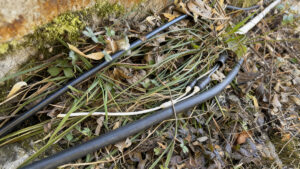
Underground fiber optic cable is designed for direct burial or conduit installation and is widely used in FTTH networks, backbone infrastructure, and industrial communication systems.
This guide explains underground fiber optic cable types, installation methods, burial depth, and practical applications.
From rural broadband expansion to metropolitan backbone routes, underground fiber systems are now the preferred solution where durability, safety, and regulatory compliance are priorities.
This guide examines structural design, installation methods, material selection, protection strategies, cost variables, and long-distance deployment considerations for underground fiber optic cable systems.
1. What Is Underground Fiber Optic Cable?
Underground fiber optic cable refers to optical communication cables specifically engineered for subsurface installation, either directly buried in soil or routed through protective conduit systems.
Unlike aerial cables suspended on poles, underground fiber must withstand:
- Soil pressure and compaction
- Moisture infiltration
- Rodent activity
- Ground vibration
- Seasonal temperature variation
These requirements influence jacket materials, armoring layers, tensile strength members, and water-blocking components.
Underground cable systems fall within the broader classification of Outdoor Fiber Optic Cable solutions
2. Structural Design of Underground Fiber Cable
The durability of underground fiber begins with its internal structure.The table below summarizes the most common underground fiber optic cable types and their applications.
| Cable Type | Structure | Protection Level | Application |
|---|---|---|---|
| Direct Burial Cable | PE jacket + water blocking | Medium | Rural / residential |
| Armored Fiber Cable | Steel tape / wire armored | High | Underground / harsh environment |
| Duct Cable | Non-armored, installed in conduit | Medium–High | Urban networks |
For high-protection environments, armored fiber optic cables are widely recommended due to their superior mechanical strength.
A typical construction includes:
- Optical fibers (single-mode or multi-mode)
- Loose tube or tight buffer configuration
- Water-blocking gel or tape
- Central strength member (FRP or steel)
- Armoring layer (optional but common)
- Outer protective jacket (typically PE)
Each layer serves a specific mechanical or environmental function.
In environments with high rodent activity or heavy soil compression, reinforced structures such as steel tape armored fiber cable designs
3. Direct Burial vs Conduit Installation
One of the most important engineering decisions in underground deployment is whether to bury the cable directly or install it within conduit.
| Feature | Direct Burial | Conduit |
|---|---|---|
| Cost | Lower | Higher |
| Protection | Medium | High |
| Maintenance | Difficult | Easy |
| Installation Speed | Faster | Slower |
Direct Burial
- Lower initial material cost
- Faster trench deployment
- Reduced infrastructure components
However, direct burial increases exposure to long-term soil movement and accidental excavation damage.
Conduit Installation
- Easier future cable replacement
- Additional mechanical isolation
- Improved long-term maintenance flexibility
The mechanical and economic trade-offs between these approaches are typically evaluated in discussions around direct buried and duct installation methods
4. Underground Conduit Systems
Conduit systems are widely used in urban infrastructure projects where cable replacement or expansion is anticipated.
Common conduit materials include:
- HDPE
- PVC
- Steel
Conduit diameter, routing radius, and spacing must comply with installation standards to prevent cable stress during pulling.
Particular attention is required for underground fiber cable bending radius limitations
5. Burial Depth Requirements
Proper burial depth is critical for preventing accidental damage and ensuring regulatory compliance.
Typical depth guidelines:
- Residential areas: 300–600 mm
- Road crossings: 600–900 mm
- Heavy traffic zones: deeper with protective reinforcement
| Installation Scenario | Depth |
|---|---|
| Residential | 12–24 inches |
| Direct Burial | 24–36 inches |
| Road Crossing | 36–48 inches |
| Industrial Area | 36+ inches |
Depth requirements are often influenced by frost lines, soil density, and municipal codes, which are central considerations in burial depth planning for underground fiber cable systems
6. Jacket Material: PE vs LSZH
While LSZH materials are widely used indoors for fire safety, underground applications generally prioritize polyethylene (PE) jackets due to:
- Superior moisture resistance
- Higher mechanical durability
- Better long-term soil performance
The comparative behavior of these materials under buried conditions is often analyzed in evaluations of LSZH vs PE jacket performance in underground deployment
7. Installation Procedures and Testing
Installation requires careful control of:
- Pulling tension
- Bend radius
- Trench preparation
- Backfill compaction
- Warning tape placement
Improper installation is one of the leading causes of premature failure.
After cable placement, optical time-domain reflectometer (OTDR) testing verifies signal integrity. Standard procedures for underground fiber installation and post-installation testing
8. Underground Fiber Optic Cable Detection
Accidental excavation damage remains a major threat to buried networks.
To reduce risk, contractors use:
- Electromagnetic cable locators
- Signal tracing systems
- Ground mapping documentation
Failure to identify cable paths before excavation frequently leads to outages categorized under common underground fiber optic cable failures
9. Cost Factors in Underground Fiber Projects
Pricing for underground fiber optic cable depends on multiple variables.
Cable Structure
- Fiber count
- Armoring level
- Water-blocking design
Installation Environment
- Soil hardness
- Trench depth
- Conduit requirement
Project Scale
- Distance
- Splicing complexity
- Labor cost
These variables collectively shape budgeting discussions surrounding underground fiber optic cable price calculations
10. Long-Distance Underground Deployment
Backbone routes spanning tens or hundreds of kilometers require additional planning considerations:
- Low attenuation single-mode fiber
- Reinforced tensile strength
- Strategic splice chamber placement
- Expansion loop management
Design strategies for extended routes are often discussed in technical planning for long-distance underground fiber cable deployment
11. Water Crossings and Specialized Environments
When routes intersect rivers, lakes, or coastal zones, standard buried cable structures are insufficient.
In these cases, additional waterproof reinforcement and corrosion-resistant armoring become necessary. Such configurations align with engineering approaches used in Submarine Fiber Optic Cable systems
12. Visual Identification and Physical Characteristics
Most underground fiber optic cables share visible characteristics:
- Black PE outer jacket
- Meter markings for length tracking
- Reinforced cross-sectional layering
Physical structure examples and armored configurations can be examined within professional-grade Armored Fiber Optic Cable products
13. Why Underground Fiber Continues to Expand
Telecommunications infrastructure is increasingly transitioning from aerial exposure to buried systems due to:
- Improved reliability
- Reduced weather vulnerability
- Lower long-term maintenance cost
- Enhanced urban aesthetics
As digital transformation accelerates, underground fiber optic cable will remain a foundational component of stable, high-capacity connectivity networks worldwide.


 English
  Español